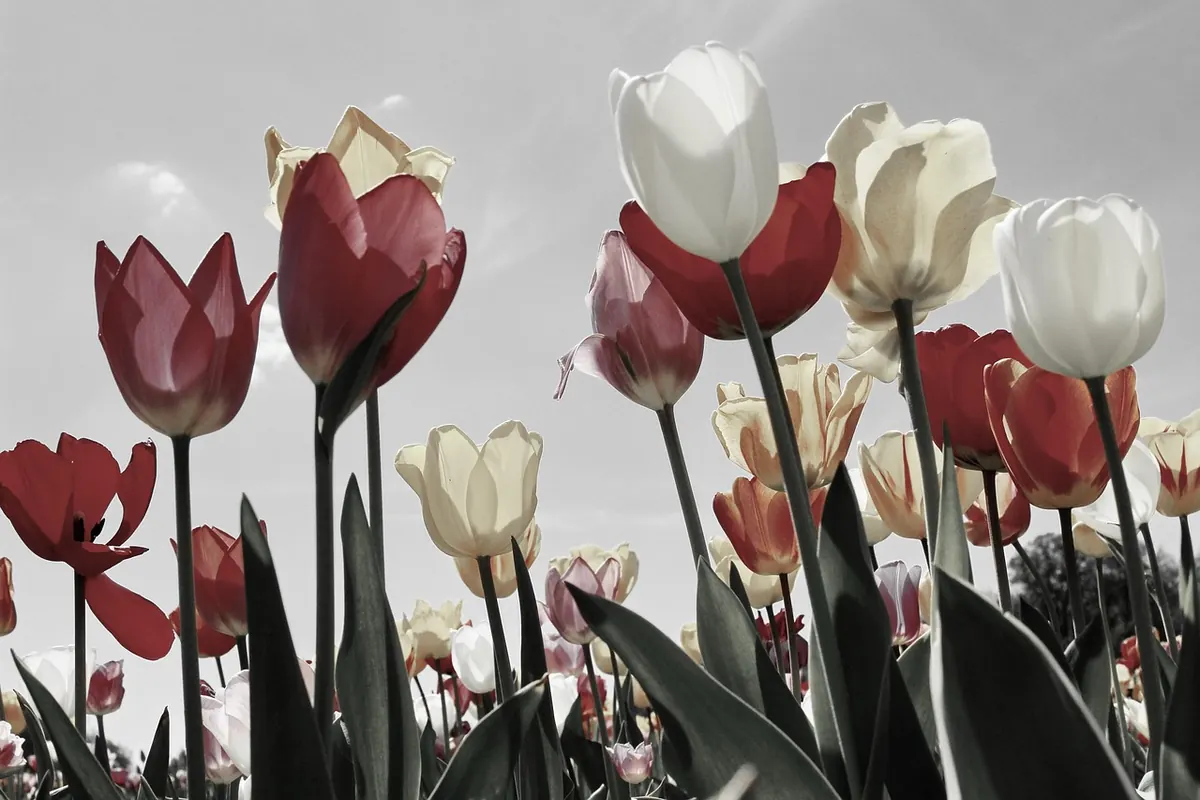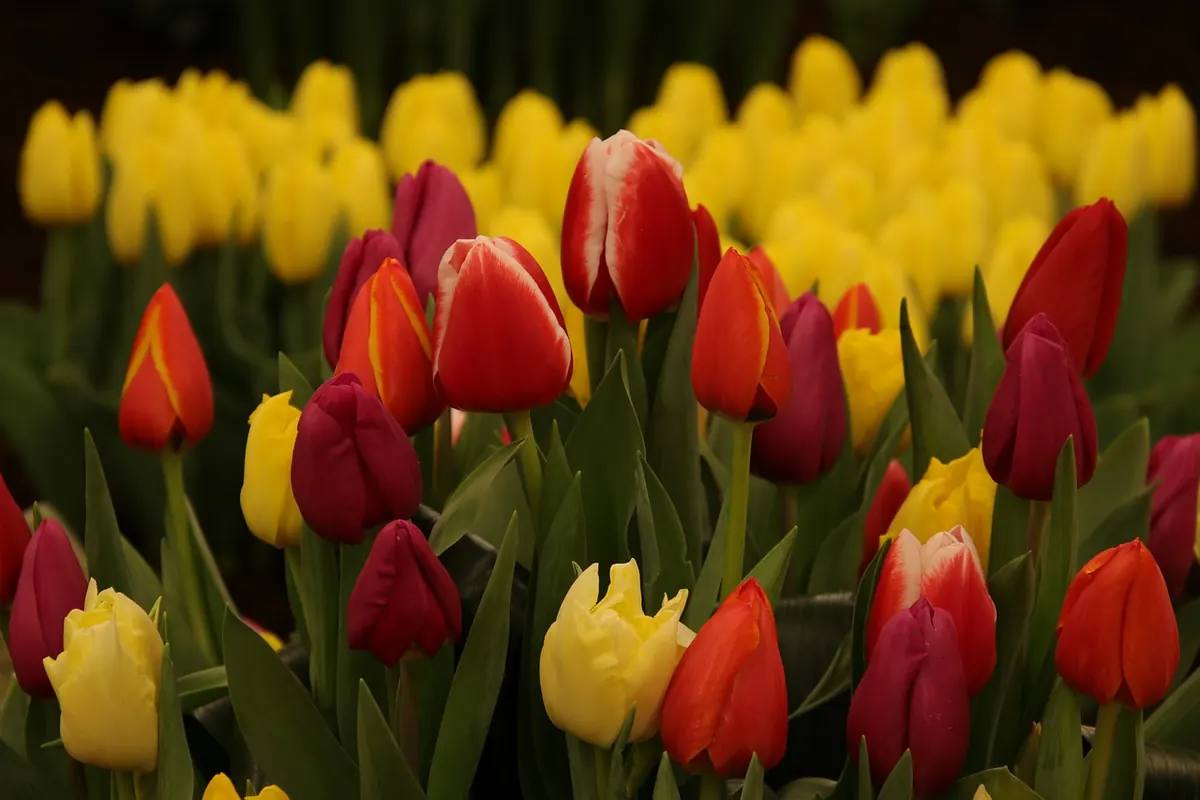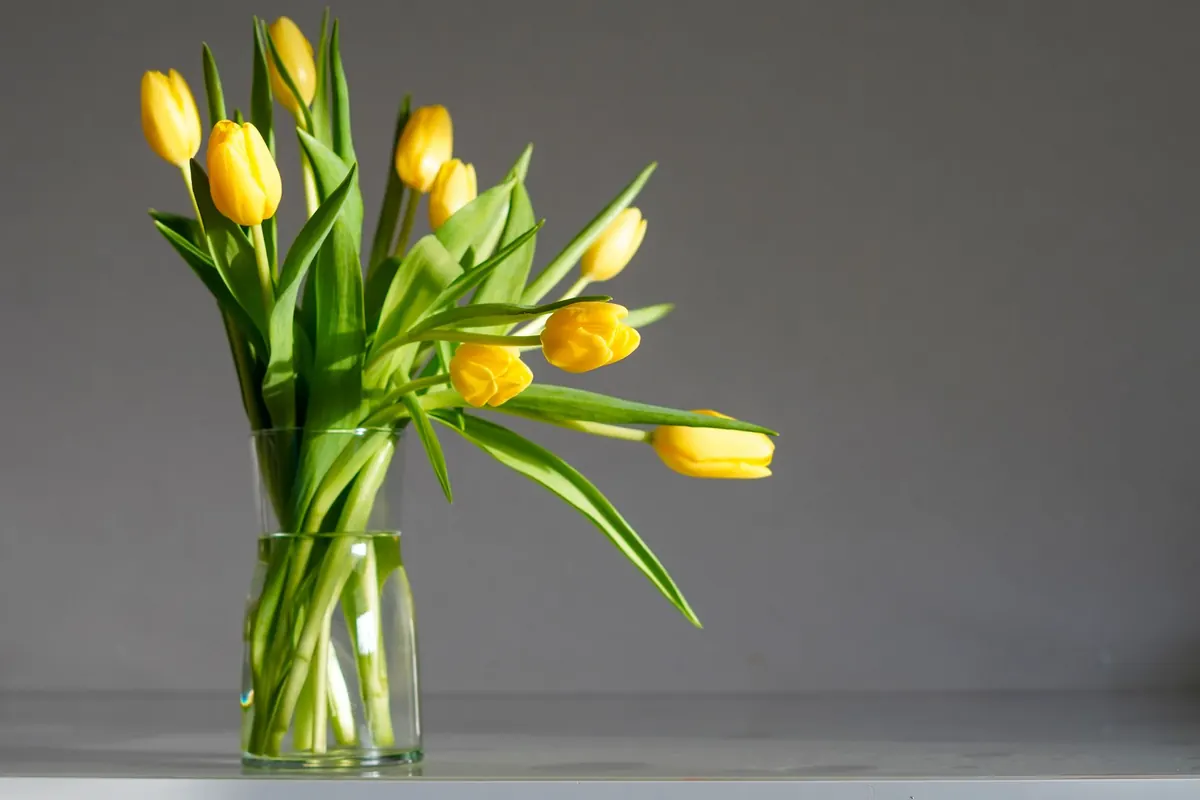
Tulips in January feel like a small act of defiance against the grey. A pot of scarlet or cream on a kitchen windowsill lifts the whole room, and it costs little more than a bag of bulbs and some forward planning. Tulips will flower indoors in the depths of winter if you give them what they need in autumn: a spell of cold, a spell of dark, and then patience.
Forcing, as gardeners call it, is not difficult. It is simply a matter of mimicking the seasons a bulb already expects — winter's chill, then spring's light — on a schedule of your choosing. Get that right and you can have tulips in bloom while the ground outside is frozen solid.
Why Force Tulips Instead of Buying Them?
A bunch of imported tulips in January is lovely, but it is also anonymous. You have no idea how far they have travelled or how long they have sat in a cold store. A forced pot is yours from the start: you chose the variety, watched the green noses push up through the compost, and know exactly how fresh they are. You also get the pleasure of succession — plant three pots a fortnight apart in autumn and you can carry the display from December into March.
The economics are quietly satisfying too. A bag of bulbs costs about the same as two bunches of cut flowers and can fill four or five pots. If you are prepared to be slightly ruthless about discarding them afterwards, forcing is the cheapest winter colour there is.
What You Will Need
- Firm, healthy tulip bulbs — bought in early autumn, not forgotten in a shed since spring
- Clean pots with drainage holes, at least 15cm deep; wide bulb pans hold more and look better
- Free-draining compost — two parts soil-based potting mix to one part grit or perlite
- A cold, dark place — an unheated garage, cellar, shed, cold frame, or the salad drawer of the fridge
- A cool, bright room for the growing-on and display stage
- A jug of water and, ideally, a marker to remind you when the pot went into the cold
Choosing Bulbs That Actually Force Well
Not every tulip is a good candidate for indoor forcing. Tall, late, heavy-headed varieties need a long season and a lot of light to stand up straight; tiny species tulips can be charming in a small bowl but give you very little for the effort. Aim for the middle ground.
- Single early and single late tulips — the workhorses of forcing, compact, sturdy and dependable
- Darwin hybrids — the classic big, bold tulip, superb in a large pot but needing a cool room to keep its poise
- Species tulips such as Tulipa humilis and Tulipa kaufmanniana — short, dainty and happy in shallow pans on a bright sill
- Lily-flowered and fringed types — beautiful, but the stems are slimmer and may need a discreet ring of twine
Look for bulbs sold specifically as prepared or pre-chilled if you want to skip most of the cold treatment; these have already been through a temperature cycle and can be potted and grown on almost straight away. Otherwise choose the largest bulbs you can afford. Size really does predict flower quality, and a fat bulb has enough stored energy to flower without much help from you.
Step-by-Step: Forcing Tulips Indoors
- Count backwards from your target date. Tulips need roughly 12 to 16 weeks of cold, plus three to four weeks to grow and open. For flowers in January, plant in late September or early October. For March, plant in November or December.
- Prepare your pots. Put a few crocks or a handful of grit over the drainage holes, then half-fill with your compost-and-grit mix.
- Plant close, but not touching. Space bulbs about 2cm apart, pointed end up, and set each one with its flat side facing the rim. The first leaf emerges from that flat side, and it will grow outward rather than sprawling across the middle of the pot.
- Cover and firm. Add compost until only the very tips of the bulbs are showing, then press the surface gently. Leave 2cm of headroom so you can water without spilling.
- Water thoroughly until it runs out of the base, then let the pot drain properly. Never leave it standing in a saucer of water.
- Give them the cold, dark spell. Aim for 4–7°C in a dark place for 12–16 weeks. If you use a fridge, keep bulbs away from ripening fruit — apples and bananas release ethylene, which can abort the flower buds inside the bulb.
- Check every few weeks. The compost should be barely moist, never wet. Look for 2–5cm of pale shoot and roots appearing at the drainage holes. A little grey fuzz on the surface is normal; slimy, smelly rot is not.
- Bring them into the light. When shoots are a few centimetres tall, move the pots to a cool, bright spot at around 13–18°C. Stems and leaves will green up and stretch over two to four weeks, and then the buds will colour.
The Timeline at a Glance
- Late September to early October: buy bulbs and pot them up
- October to late December: cold, dark period — check moisture monthly
- Late December to mid-January: move into a cool, bright room
- Two to four weeks later: flowers open
- Then: enjoy them for two to three weeks in a cool room, or a matter of days beside a hot radiator
Troubleshooting: When Things Go Wrong
- Bulbs rot and smell foul. The compost stayed wet. Improve drainage, water less, and never let pots sit in standing water.
- Leaves grow but no flowers appear. The bulbs were "blind" — usually because they were too small, stored too warm over summer, or given too little cold.
- Stems are long, pale and floppy. Too much warmth and too little light. Move the pot somewhere cooler and brighter the moment shoots appear.
- Grey, furry mould on leaves. Poor air movement in a damp cold spot. Pick off affected foliage, space the pots out, and increase ventilation.
- Compost bone dry in the fridge. Fridges are drying places. Check weekly and add a small splash of water if needed.
- Flowers fade within a day or two. Heat and direct sun. Move the pot to the coolest bright place you have.
Variations Worth Trying
Once you have forced tulips in compost, it is easy to branch out. Tulips and hyacinths can be forced in glass vases or jars filled with pebbles and water, with the liquid kept just below the base of the bulb so it never goes soggy — the roots reach down and the effect is wonderfully transparent. Narcissi, crocuses and muscari all take the same treatment, and a mixed pot of tulips and grape hyacinths gives you blue and scarlet together in February.
For a longer season, stagger your planting. Three pots planted a fortnight apart in October and November will flower in succession rather than all at once, which is far more satisfying than a single glorious week followed by an empty windowsill.
After the Flowers Fade
Let the foliage die back naturally, watering sparingly until it yellows. Forced tulips rarely flower well a second time indoors — the bulb has spent its reserves — so most growers compost them without guilt. If you have a garden and cannot bear to throw them away, plant them out at the same depth once the leaves have died down and let them spend a full year rebuilding in the ground. Some will return. Many will not.
Treat a pot of forced tulips as a one-season wonder, and you will enjoy it far more. The whole point is the defiance, not the permanence.
Photo: Ivan Vi / Pexels